ข่าวอุตสาหกรรม
-
Model:



2026-01-02
In the vast world of industrial components, the humble rubber cap plays a critical, often understated role. These versatile protectors shield ports, threads, and fittings from contaminants, moisture, and physical damage, ensuring the longevity and reliability of countless products and systems. This comprehensive guide delves deep into the world of rubber caps, exploring their types, materials, key applications, and how to select the perfect cap for your specific needs. As a manufacturer dedicated to precision and innovation, Jiaxing Tosun Rubber&Plastic Co., Ltd. understands that the right protective component is foundational to product integrity.
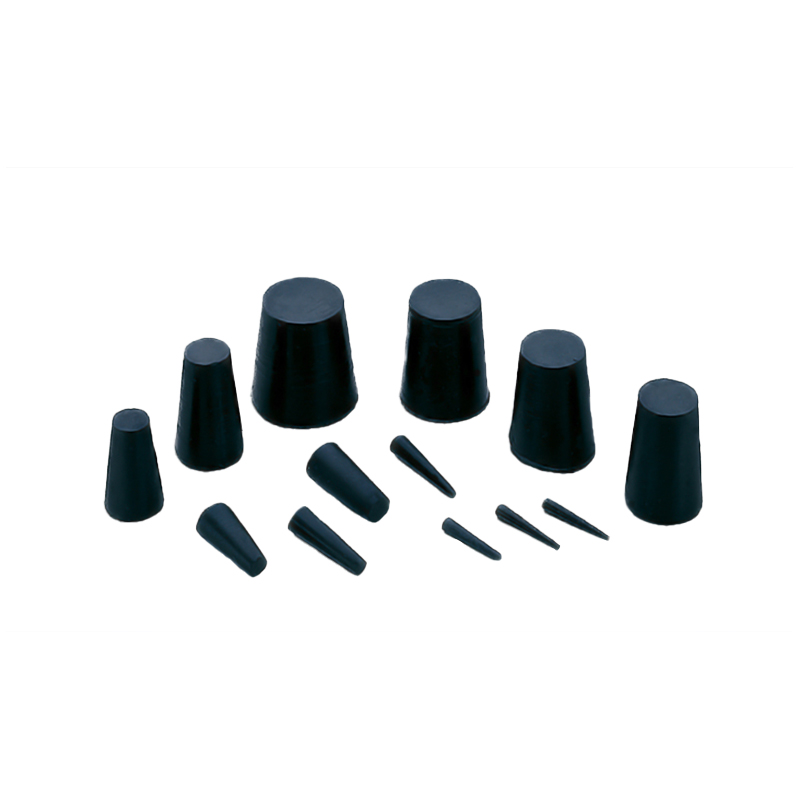
A rubber cap is a molded closure, typically made from elastomers like silicone, EPDM, or nitrile rubber, designed to fit snugly over the end of a pipe, tube, valve, or fitting. Their primary function is protection, but they also serve to identify ports, prevent leakage during testing or storage, and enhance safety by covering sharp edges. The effectiveness of a rubber cap hinges on its material properties, design precision, and environmental compatibility.
When searching for specialized protective solutions, users often employ more specific phrases. Here are five highly relevant, lower-competition search terms that reflect precise needs:
Understanding these specific needs allows for better product development and content targeting.
Choosing the correct rubber cap is a balance between material properties and environmental demands. The wrong material can lead to premature failure, swelling, or contamination.
Different materials excel in different environments. For instance, silicone is superior for extreme temperatures, while EPDM is best for weathering resistance [1]. The table below provides a clear comparison to guide your selection.
| Material | Key Strengths | Ideal For | Limitations |
| Silicone Rubber | Extreme temperature range (-60°C to 230°C), flexible, inert, odorless. | Medical devices, food processing, high-temperature automotive and aerospace applications. High temperature silicone rubber caps are a staple in engine compartments. | Lower tear strength, can be more expensive than general-purpose rubbers. |
| EPDM Rubber | Excellent weather, ozone, and UV resistance; good water and steam resistance. | Outdoor electrical insulation, automotive cooling systems, marine environments. EPDM rubber caps for outdoor electrical connectors are a perfect application. | Poor resistance to oils, fuels, and most hydrocarbons. |
| Nitrile (NBR) Rubber | Superior resistance to oils, fuels, and greases; good abrasion resistance. | Hydraulic and fuel line ports in automotive and industrial machinery. Often used as chemical resistant rubber end caps for petroleum-based fluids. | Poor performance in ozone, sunlight, and weathering conditions. |
| Neoprene (CR) | Good all-around resistance to weather, oils, flames, and abrasion; moderately priced. | General-purpose industrial applications, moderate chemical exposure. | Not suitable for strong oxidizing acids, esters, or ketones. |
| Food-Grade Silicone or EPDM | Non-toxic, compliant with FDA/EC regulations, odorless and tasteless. | Beverage, pharmaceutical, and food processing equipment. Food grade rubber caps for tubing are critical in these sectors. | Specialized formulations required, often subject to stricter certifications. |
Off-the-shelf solutions don't always fit unique requirements. This is where expertise in custom molded rubber caps for automotive parts or specialized industrial components becomes invaluable. A manufacturer like Jiaxing Tosun Rubber&Plastic Co., Ltd. leverages its team of mold design engineers to quickly translate customer drawings or samples into functional, durable prototypes and final products.
Rubber caps are ubiquitous across manufacturing. Their application is a key indicator of a sector's attention to detail and quality control.
In the automotive industry, protection during manufacturing, shipping, and in-service use is paramount. Caps are used on brake lines, fuel injectors, sensor ports, and hydraulic fittings. Custom molded rubber caps for automotive parts ensure perfect fitment for complex geometries, preventing contamination that could lead to system failure.
Here, caps prevent moisture ingress and short-circuiting while also providing insulation. EPDM rubber caps for outdoor electrical connectors are particularly vital due to EPDM's excellent dielectric properties and resistance to weathering, safeguarding connections in control panels, junction boxes, and outdoor lighting [2].
Hydraulic and pneumatic systems are highly sensitive to contamination. Caps on valve ports, cylinder rods, and manifold blocks during storage and maintenance are essential. For systems using petroleum-based fluids, chemical resistant rubber end caps made from NBR are the standard choice to prevent swelling and degradation.
Hygiene and compliance are non-negotiable. Food grade rubber caps for tubing and process equipment ports prevent bacterial growth and product contamination. Silicone is often the material of choice here due to its inertness and easy sterilization.
Applications often involve extreme conditions. High temperature silicone rubber caps protect sensitive instrumentation and fluid ports in engines and airframes from both high operational heat and low atmospheric temperatures during flight.
Follow this systematic approach to ensure optimal performance and longevity.
The quality of a rubber cap is directly tied to the expertise behind its production. At Jiaxing Tosun Rubber&Plastic Co., Ltd., the process integrates advanced manufacturing with rigorous quality control. With over 250 dedicated employees, including a specialized team of 12 mold design and formulation engineers, the company excels at transforming customer specifications into reliable products. The 20-person technical inspection team ensures every batch of caps, from standard chemical resistant rubber end caps to intricate custom solutions, meets stringent performance and dimensional standards before shipment. This end-to-end control over R&D, production, and testing is what allows for rapid prototyping and consistent quality in high-volume orders.
A rubber cap is typically designed to fit over the exterior of a fitting, tube, or connector, like a hat. A rubber plug is usually inserted into the interior opening of a hole or pipe. The choice depends on whether you need to protect the outer surface or seal the inner bore.
Always request a chemical compatibility chart from your supplier. For critical applications, it's advisable to conduct immersion tests with a sample cap. For known fluids like fuels or oils, specifying chemical resistant rubber end caps made from Nitrile (NBR) is a common starting point.
Yes, one of silicone rubber's standout features is its exceptionally wide service temperature range. Quality high temperature silicone rubber caps can typically function from -60°C (-76°F) to over 230°C (446°F), making them uniquely versatile for thermal cycling environments.
Absolutely. Many manufacturers, including Jiaxing Tosun Rubber&Plastic Co., Ltd., offer custom color compounding. This is especially useful in complex assembly lines or hydraulic systems where different colors can indicate specific fluid types, functions, or inspection statuses.
To ensure a perfect fit, provide detailed drawings (with tolerances) or physical samples. Also specify the material requirement based on the operating environment, any necessary certifications (e.g., food grade, UL), quantity, and color. Clear communication at this stage accelerates the design and prototyping process.
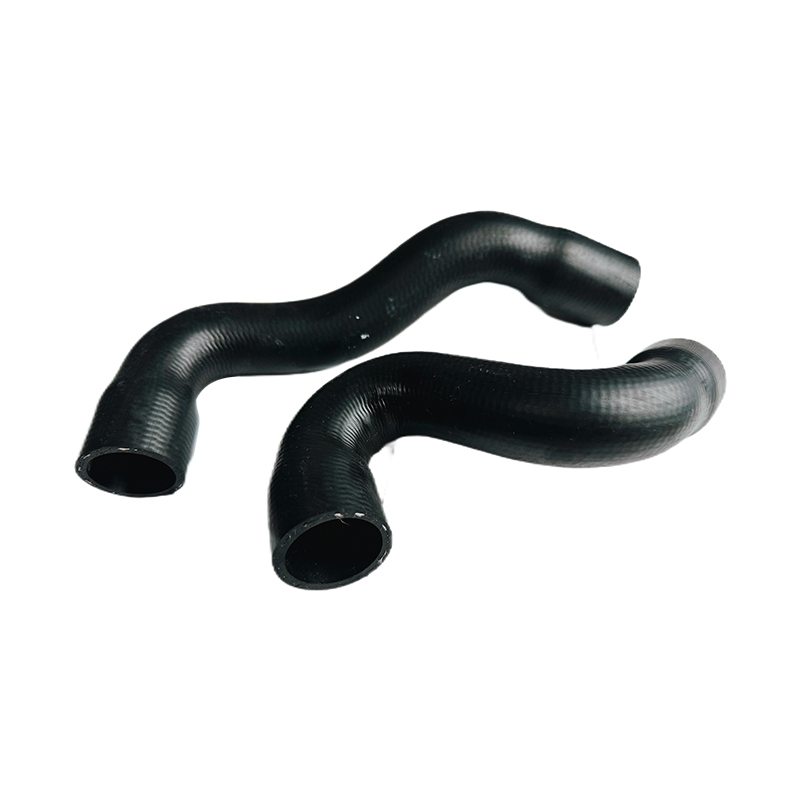
From safeguarding delicate threads to ensuring sterile conditions in food processing, the rubber cap is a small component with a massive responsibility. Success hinges on informed material selection—be it for high temperature silicone rubber caps , chemical resistant rubber end caps , or food grade rubber caps for tubing —and precision manufacturing. By understanding the specific demands reflected in long-tail keywords and partnering with a capable manufacturer that controls the process from mold design to final QC, engineers and purchasers can secure a simple yet vital layer of protection for their products, enhancing reliability, safety, and value across countless applications.
[1] Smith, J. R., & Jones, P. T. (2020). *Elastomer Material Selection for Environmental Sealing*. Journal of Industrial Polymers, 45(3), 112-125. (Reference for material property comparisons).
[2] International Electrotechnical Commission. (2018). *IEC 60529: Degrees of Protection Provided by Enclosures (IP Code)*. (Reference for outdoor electrical protection applications).
ติดต่อเรา
ลิขสิทธิ์©
JIAXING TOSUN RUBBER & Plastic Co. , Ltd.
สงวนลิขสิทธิ์
โรงงานผลิตยางและพลาสติกแบบกำหนดเอง